
INDEPENDENT WRITING ON WATER, ECONOMICS & PUBLIC DECISIONSEMMANUEL ASINAS, PH.D.

IDEAS AT THE WATER’S EDGE

What water is worth.
Who bears the cost.

Water decisions shape communities, ecosystems, and economies. Here I explore the evidence, tradeoffs, and human consequences behind those decisions.

From drought and groundwater to the water demands of AI, follow the questions that reveal what our choices mean for people and places.

Water economicsClimate resilienceEquityPeople & place
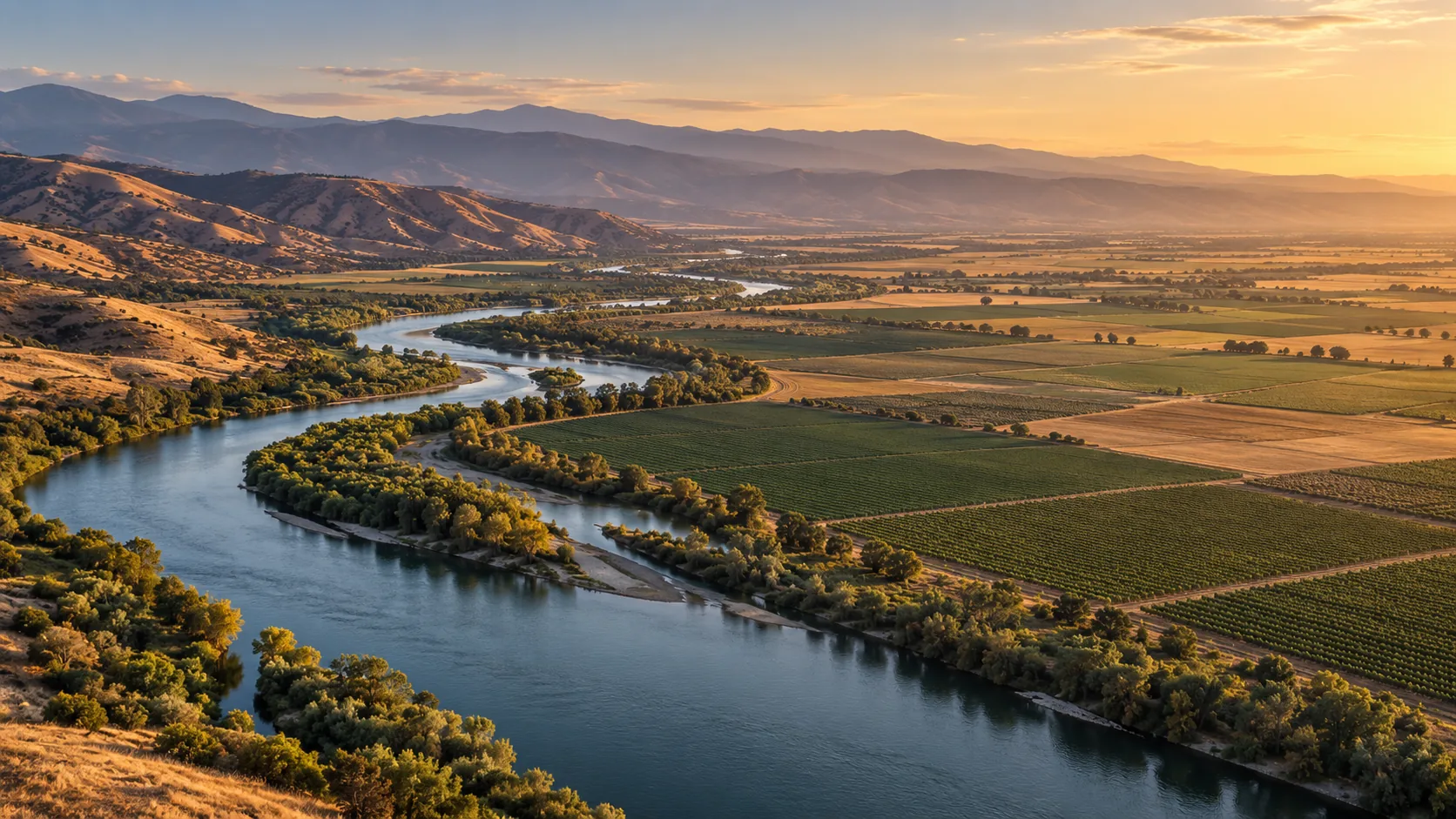
Illustrative aerial view of a river amid fields and dry hillsWHERE WATER MEETS LAND, ECONOMY & PEOPLE

A WAY OF LOOKING AT WATER

Better decisions begin with better questions.

Water policy reaches far beyond supply. A choice can create opportunity, shift costs, and shape a place for decades. These three questions make the value, the burdens, and the future easier to see.

Begin with the first question

ESSAYS & PERSPECTIVES

Ideas in the open

Analysis and commentary on the evidence, tradeoffs, and public choices shaping water’s future.

Browse the writing archive
01
FEATURED WRITING · DATA CENTERS & WATER

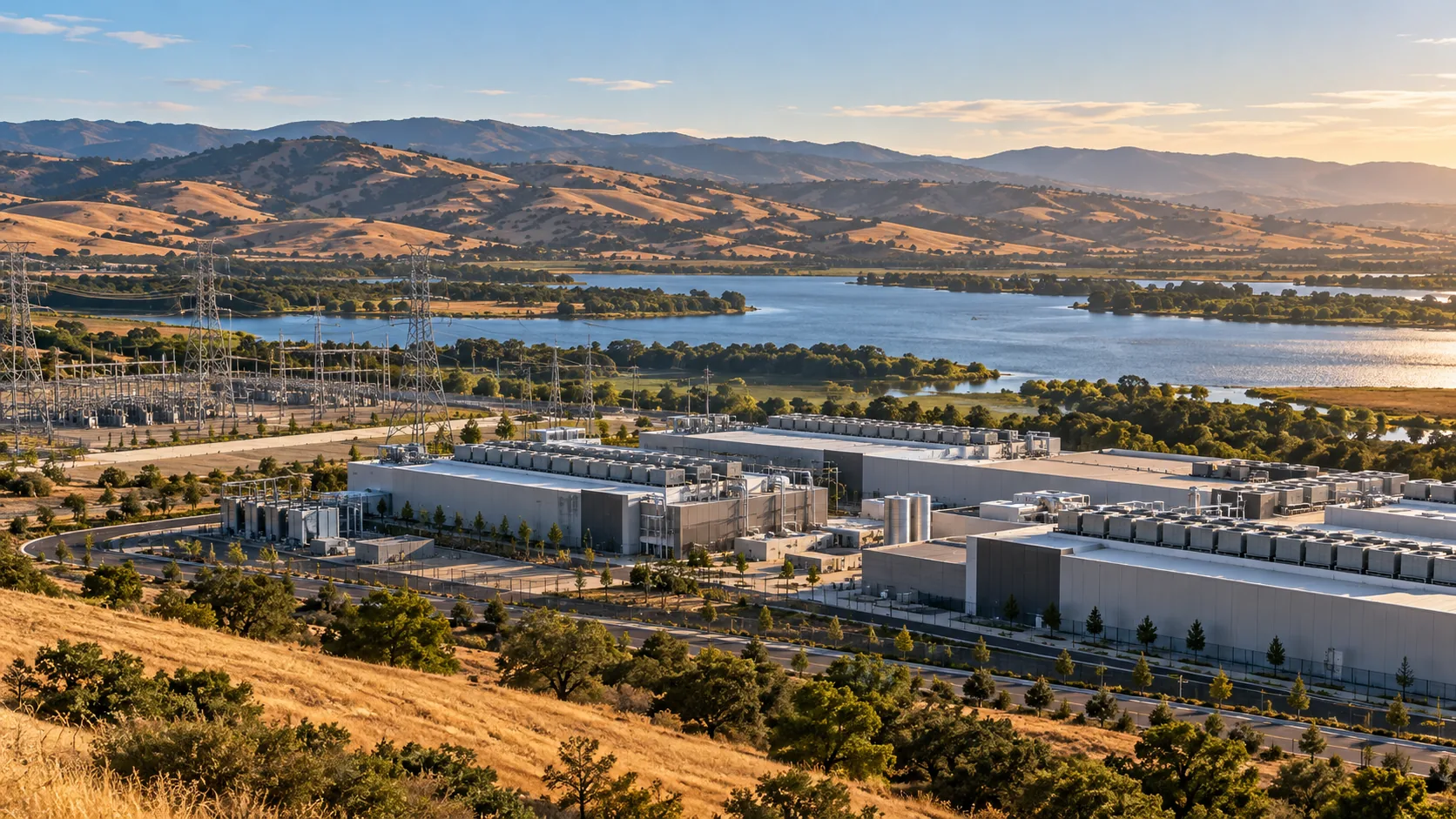
The Data Center Boom is a Water Planning Challenge—and an Opportunity

Digital infrastructure depends on water, power, and local communities. Better disclosure can help us weigh the benefits and costs of its growth.

02
COMMENTARY · MARCH 27, 2026

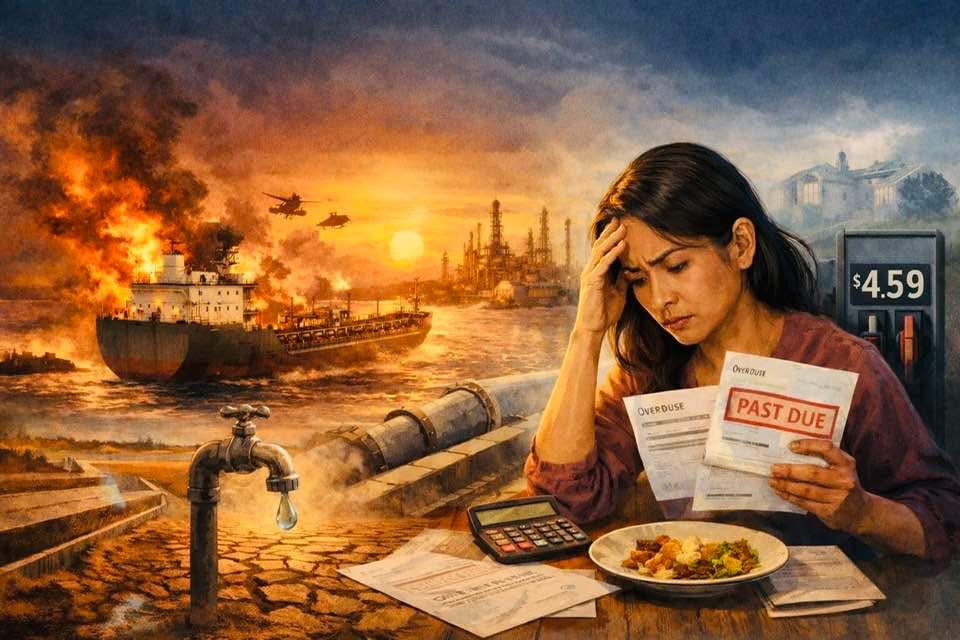
War, Oil, and the Real Cost to Households and Water Security

How energy shocks reach household budgets, water affordability, food production, and the public systems communities depend on.

03
November 5, 2026

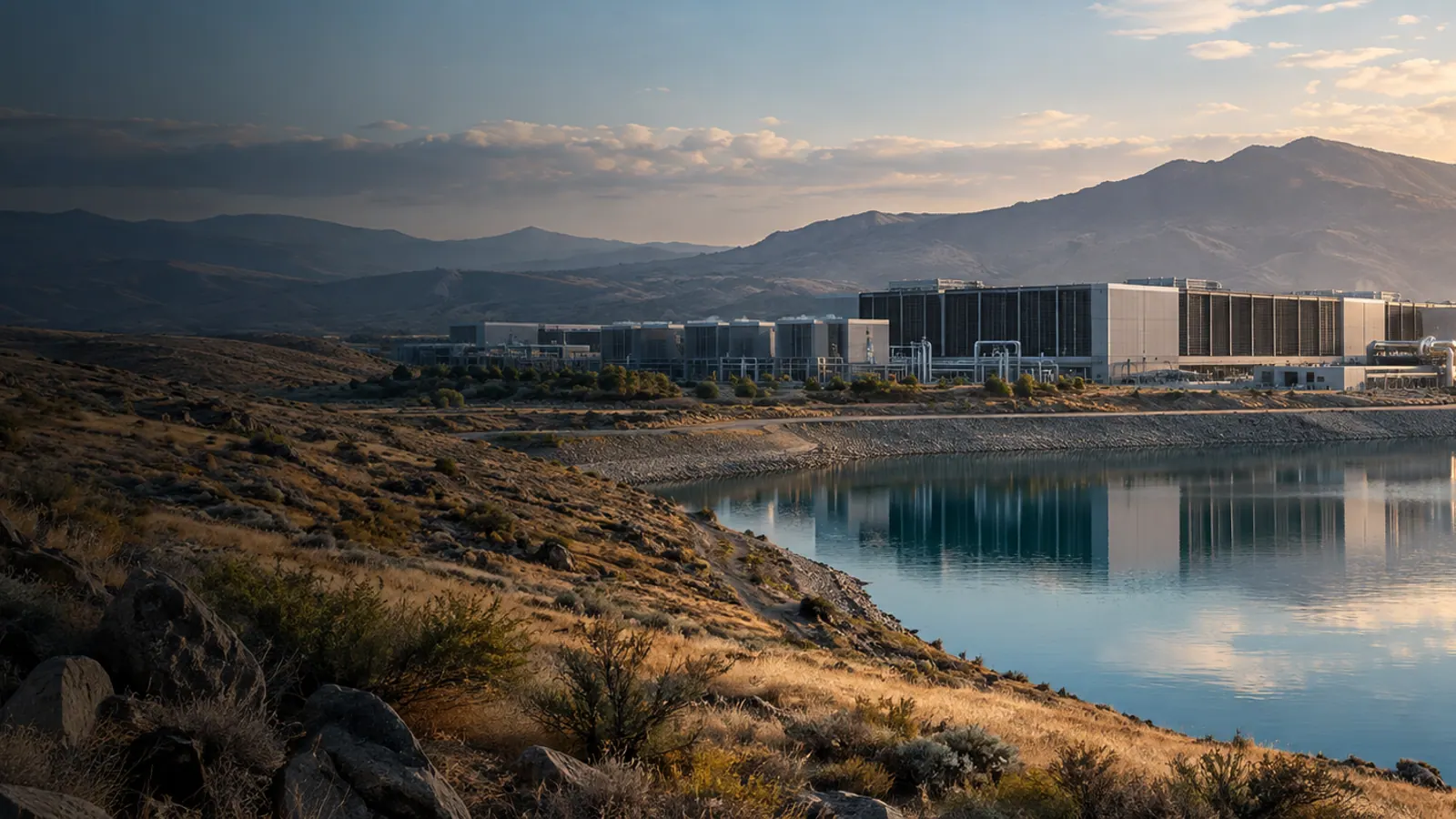
The AI Boom Has a Water Problem. Who Should Pay the Price?

America is racing to build AI infrastructure. Who benefits, who pays the costs of water, power, and public infrastructure, and who gets to decide?

04
September 22, 2026

Life, Liberty, and the Pursuit of Responsible AI

Every decision to entrust AI with greater responsibility carries a human obligation: to understand what could go wrong, who could be affected, and who will answer for the…

05
December 7, 2024

A Thirsty Future: The Hidden Water Cost of AI

As artificial intelligence weaves ever more deeply into the fabric of our daily lives—from chatbots answering our questions to algorithms guiding our online searches—the resources needed to power…

RESEARCH & PUBLICATIONS

Selected Publications

Journal articles and policy analyses on water resources, economics, and emerging challenges. Read each work at its original source.

JOURNAL EDITORIAL · 2026 · FREE ACCESS

A Thirsty Future: AI’s Hidden Water Footprint

Emmanuel Asinas, Sajjad Ahmad, Meghna Babbar-Sebens, et al. Journal of Water Resources Planning and Management 152(11): 01826002.

An editorial on the often unseen water demands of AI infrastructure and why water planning needs more transparent accounting.

Read the publication

WORLD BANK REPORT · CHAPTER 6 · 2024 · OPEN ACCESS

Guidelines for Drought Risk Management – Economic Methods, Models and Tools

Emmanuel Asinas. Chapter 6 in World Water and Climate Economics Research and Analytics: Guidelines of Economic Analysis. World Bank, 2024.

Guidance for assessing drought risk management choices through economic analysis, with attention to costs, benefits, climate resilience, equity, and multiple benefits.

Read Chapter 6 (PDF)
POLICY ARTICLE · 2019 · OPEN ACCESS

Managing Flood Water for Aquifer Recharge: Economic Considerations for Policy

Ellen Bruno, Andrew Ayres, and Emmanuel Asinas. Global Water Forum.

Explores the economics of flood-managed aquifer recharge, including how allocation mechanisms can support efficient and equitable use of flood water.

Read the article

AREAS OF INQUIRY

The questions behind the work

Six connected lenses for understanding how water investments and policies affect places, people, and the future.

Economic reasoning for a changing water future.

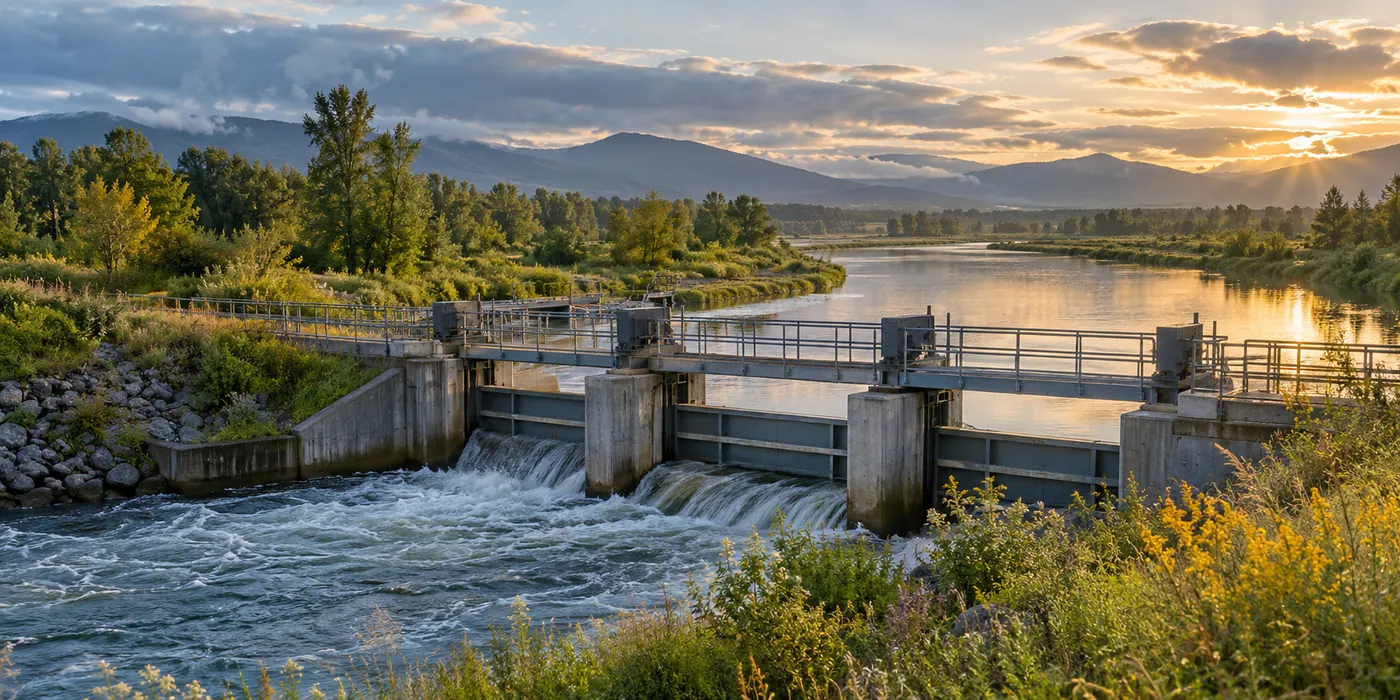
Illustrative river crossing a landscape
WATER · ECONOMICS · PEOPLELook at the whole system.

ABOUT THE AUTHOR

Economics in service of better water decisions.

I’m Emmanuel Asinas, Ph.D., a water economist and research manager. My work brings economic analysis into water resources planning, with a focus on climate resilience, equity, and the practical choices facing communities and decision makers.

I write to make the reasoning behind water choices more accessible. The work begins with evidence, but it must also face uncertainty, reveal tradeoffs, and stay connected to the people who live with the results. Explore the three principles that guide this approach.

This is a place for my independent writing and ideas. The views expressed here are my own.

Connect on LinkedIn